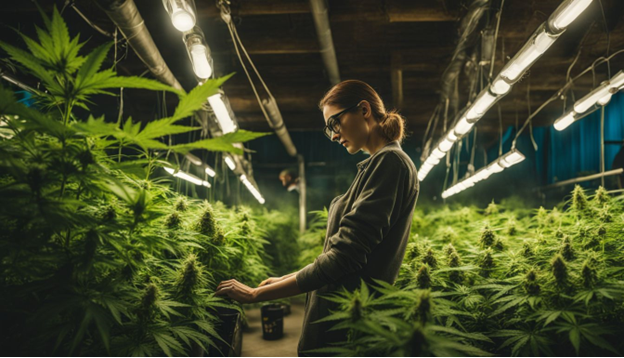
Growing your own cannabis can be challenging. One essential fact is that the right approach can make a huge difference. This article offers tips to help you succeed in cultivating cannabis, whether indoors or outdoors.
Types of Cannabis Strains for Cultivation
Select the ideal cannabis strains: Sativa, Indica, and Hybrid pro420.com. Each bears distinct characteristics for successful cultivation.
Sativa
Sativa strains grow tall and thin, making them better suited for outdoor cannabis cultivation. They typically take longer to mature than their Indica counterparts. Sativa plants prefer a lot of light and thrive in warm climates.
Growers often choose these strains for their uplifting and energizing effects. These characteristics make Sativa ideal for daytime use.
Caring for Sativa requires patience due to its longer flowering times. Yet, the reward is a high-quality marijuana yield with potent effects. Ensuring your plants get enough sunlight will lead to successful outdoor cultivation.
Now let’s move on to exploring Indica strains, which present different growth habits and benefits.
Indica
Indica strains are known for their relaxing and sedating effects, making them great for nighttime or unwinding. These plants are generally shorter and bushier with wider leaves, adapting well to indoor growing conditions.
With a quicker flowering time compared to Sativa, Indica strains are favored by many cultivators for their high yield and resilience against pests and diseases. Their compact size makes them suitable for limited spaces such as grow tents or small outdoor gardens.
Moving on to “Hybrid” cultivation techniques.
Hybrid
Transitioning from cultivating Indica strains, let’s delve into the realm of hybrid cannabis plants. Hybrid strains are a cross between Sativa and Indica, combining their unique characteristics and effects.
These plants offer a tailored experience as they combine the best of both worlds, providing a balanced high that can be uplifting and relaxing. With a keen eye on selecting the right hybrid strain to cultivate, you can unlock the secrets to growing versatile cannabis with various flavors, aromas, and effects.
The hybrid cultivation process requires attention to detail but promises an enjoyable outcome.
For successful indoor or outdoor marijuana cultivation with high-quality yields, it is essential to understand and implement proper techniques for nurturing these hybrid plants. By maintaining optimal conditions such as light exposure, temperature control, nutrient levels regulation alongside careful monitoring for pests and diseases will ensure your hybrid cannabis plants thrive through every growth stage.
Tips for Cultivating Cannabis
Selecting the right seeds is crucial for successful cannabis cultivation. Proper care, nutrients, and monitoring are essential throughout the growth process.
Choosing the right seeds
When choosing the right seeds for cannabis cultivation, consider the strain’s growth characteristics and environmental suitability. Opt for strains that suit your available space, whether indoors or outdoors, ensuring they align with your climate conditions and experience level.
Select high-quality seeds from reputable sources to ensure successful propagation. Look for keywords like “indoor cannabis growing” or “outdoor marijuana cultivation tips” in the strain descriptions to guide your decision-making process based on your specific needs as a grower.
Providing proper nutrients
Cannabis plants require essential nutrients for healthy growth and high-quality yields. Key nutrients such as nitrogen, phosphorus, and potassium are crucial during different growth stages.
Ensure a balanced fertilizer with the right N-P-K ratio to meet the plant’s needs. Calcium and magnesium are also vital for strong development and resistance to diseases. Additionally, micronutrients like iron, zinc, manganese, copper, boron, and molybdenum should not be overlooked as they play a critical role in cannabis health and production.
The use of organic nutrients can enhance soil structure while providing a slower release of essential elements. Pay attention to signs of nutrient deficiencies or excesses such as yellowing leaves or stunted growth to make necessary adjustments promptly.
Managing light and temperature
To ensure healthy growth, adjust the light cycle to mimic natural sunlight. Use LED or high-intensity discharge lamps for growth and flowering stages. Keep the temperature between 68-77°F during the day and lower at night, with good ventilation to prevent mold and mildew from forming on your plants.
A consistent 12-hour day/night cycle is vital for budding cannabis plants in both indoor and outdoor settings. Maintain a steady environment without drastic temperature changes to avoid stress on your cannabis crop, ensuring optimal development of buds.
Proper watering and ventilation
After managing light and temperature, the next essential steps in cannabis cultivation are proper watering and ventilation. Water your plants when the top inch of soil feels dry to the touch but not bone dry.
Ensure good air circulation to prevent mold and mildew by using fans strategically placed in the grow space.
Maintain appropriate humidity levels between 40-60% during vegetative growth and reduce it to 30-40% during flowering for healthy plant development. Good drainage is crucial; ensure pots have drainage holes, preventing waterlogged soil that can lead to root rot.
Monitoring and adjusting pH levels
Monitor the pH levels of your cannabis plants regularly using a pH meter. Adjust the pH of your water and nutrient solutions to keep it within the ideal range of 6 to 7 for optimal absorption of nutrients.
Use pH-up or pH-down solutions as needed to maintain the correct levels, ensuring healthy growth and maximum yield from your marijuana plants. Regular monitoring and adjustment of pH levels will help you avoid nutrient deficiencies and ensure vibrant, high-quality cannabis crops.
Identifying and preventing pests and diseases
Identifying and preventing pests and diseases is crucial for successful cannabis cultivation. Regularly inspect your plants for any signs of pests like spider mites, aphids, or caterpillars.
Introduce beneficial insects such as ladybugs to naturally control pest populations. Neem oil or insecticidal soap can be used to eliminate existing pests, while also preventing further infestations.
To thwart diseases, ensure good air circulation around plants, avoid overwatering, and promptly remove any infected plant material to prevent the spread of pathogens. Using disease-resistant strains and maintaining a clean growing environment are also essential in preventing diseases from taking hold.
Harvesting and storing techniques
When harvesting cannabis, ensure the trichomes are cloudy or amber-colored for optimal potency. Use sharp shears to carefully trim the mature buds from the plant. Prioritize drying in a dark, well-ventilated area at around 70°F with humidity levels between 45-55% for about seven days.
Afterward, cure them in sealed glass jars, opening them daily for two weeks to allow proper airflow and moisture distribution. Store the cured cannabis in a cool, dark place with controlled humidity and temperature, aiming for long-term freshness and potency.
Proper disposal of materials and waste
After harvesting and storing your cannabis, it is crucial to dispose of materials and waste properly. When disposing of plant materials, consider composting them if local regulations allow.
This can enrich soil for future cultivation while reducing landfill waste. Avoid improper disposal methods that may harm the environment or violate local laws. If using any chemicals during cultivation, follow guidelines for safe disposal provided by local authorities.
Remember, proper disposal not only benefits the environment but also ensures compliance with regulations governing marijuana growing practices.
Understanding and following local laws and regulations
Follow local laws to avoid legal issues. Adhere to regulations on the cultivation and use of cannabis. Stay updated with legal requirements in your area. Keep up with changes in cannabis laws and comply accordingly.
Seeking advice from experienced growers
When seeking advice from experienced cannabis growers, look to those who have successfully cultivated the type of strain you’re interested in. Ask about their experience in managing light and temperature, preventing pests and diseases, and harvesting techniques.
Also, inquire about understanding local laws and regulations for growing cannabis. Listening to seasoned cultivators can provide practical insights for successful marijuana cultivation.
The knowledge gained will help you navigate the complexities of outdoor marijuana growing with confidence.
Conclusion
Master the art of cannabis cultivation with these dope tips. From choosing the right seeds to harvesting and storing techniques, you have all the tools for success. Monitor, adjust, and follow local laws diligently as you embark on your journey toward high-quality marijuana cultivation.
Seek advice from experienced growers and enjoy a bountiful harvest! …