

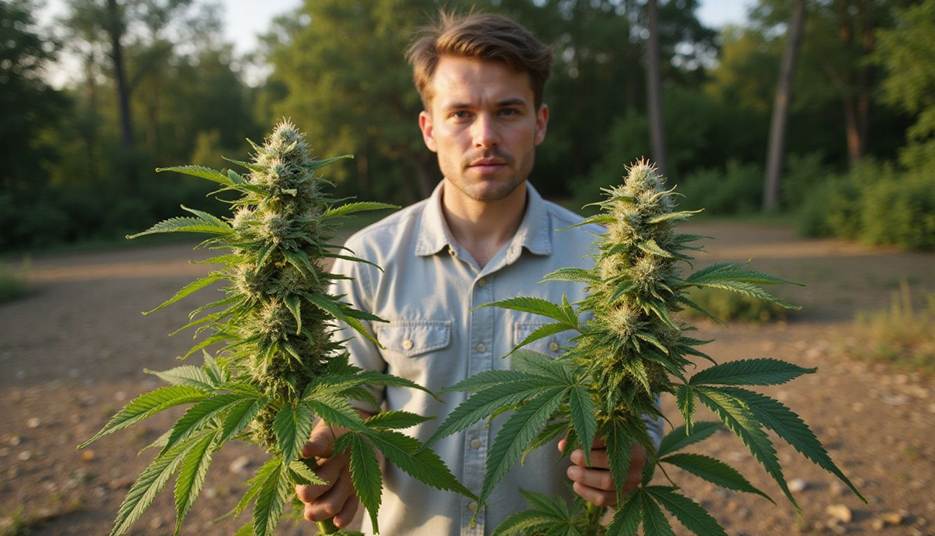
Many people feel confused about the differences between THCA Flower vs. Traditional Cannabis. Both come from cannabis plants but offer unique therapeutic effects and cannabinoids. This post will break down how THCA Flower stands apart, covering its chemical structure, potency, and nonpsychoactive benefits.
Read on to find out what makes these cannabis strains so special.
Key Takeaways
- THCA flower contains tetrahydrocannabinolic acid, which is nonpsychoactive until heated (decarboxylated). Traditional cannabis has THC, which causes a “high” when used.
- Studies show THCA may provide anti-inflammatory and neuroprotective benefits. Black Tie THCA Flower These properties are helpful for people with arthritis or neurodegenerative diseases like Alzheimer’s.
- Users of THCA flower often report pain relief and improved brain function without feeling intoxicated. This makes it popular among patients who want natural remedies but need to stay clear-minded.
- Consuming raw THCA flower reduces the risk of lung problems since users can choose edibles or tinctures instead of smoking. This helps avoid respiratory issues linked to traditional cannabis use.
- The entourage effect from cannabinoids and terpenes in THCA flower enhances its therapeutic value, as supported by ongoing research (no specific studies cited). More studies are needed to confirm all health claims.
What is THCa Flower?
THCA flower is a cannabis product that contains tetrahydrocannabinolic acid. This compound exists in its raw form and has unique properties compared to traditional cannabis.
Chemical structure
THCA flower contains tetrahydrocannabinolic acid, or THCA. This compound has a different chemical structure compared to THC, the psychoactive component in traditional cannabis. In its natural form, THCA remains nonintoxicating and does not produce the “high” associated with THC.
As a cannabinoid, THCA offers unique therapeutic effects without causing impairment.
The chemical structure of THCA allows it to provide anti-inflammatory and neuroprotective properties. These benefits make it appealing for those seeking alternative medical treatments.
Many people explore these advantages while considering how they might differ from traditional cannabis strains.
